Seventy-two hours is the length of a long weekend. In Jeremy Bradley-Silverio Donato’s novel Three Days Grace, it is also the time a family has to find out whether years of avoidance can be undone.
Published on 12 May 2026 by Indigo River Publishing and distributed by Simon & Schuster, the novel gathers five people in Paris over three days. Its author, an American who has lived in Paris since 2019, could have treated that span as a technical device, a way to keep the cast in one place. He frames it instead as a question with moral weight, and he gives it two answers.
“Sometimes three days is nowhere near enough time to change your life. Sometimes it’s exactly enough.”
Two answers held at once
The sentence offers both answers and declines to rank them. That refusal is the novel’s position. Three days is too short to dismantle what a family has spent years building around its silences. It is also long enough for one person to say something that cannot be taken back, and in a family organised around what goes unsaid, one sentence can change the terms for the people who hear it.
Bradley-Silverio Donato’s view is that limited time gives decisions more emotional weight. Spread a difficult conversation across a decade and you can put it off for years, with each year supplying a fresh reason to wait. Compress it into three days, with a departure fixed at the end, and postponement starts to look like a choice in its own right. Silence in that setting reads as a decision.
The case for not enough
The pessimistic reading has evidence on its side. The novel deals with buried truths, and the death of Lynne’s ex-husband, the father of her son Nick, brings them into the room. Reviewers have noted the weight of what surfaces, and the book’s subjects include harms that accumulated over a long time. A long weekend in a hotel would be a thin instrument for repairing damage on that scale.
Three days also cannot manufacture trust. If the people in the hotel have learned to manage one another through what they leave out, a deadline may harden those habits as easily as it breaks them. Pressure exposes a habit and leaves the repair to whoever is willing to attempt it.
The case for exactly enough
The optimistic reading rests on a smaller claim. A life does not have to be transformed in three days for those three days to matter. It may be enough that one truth reaches the air, or that one person stops waiting for a better moment. Bradley-Silverio Donato has spoken of the title as a chance to tell the truth or get things right, and a chance is a modest thing. A person can take it in a single conversation. The days around that conversation give them time to work up to it.
A deadline also changes what counts as kindness. Over a long horizon, keeping quiet can pass for tact. Bradley-Silverio Donato has observed that people convince themselves that avoiding a hard conversation is kind, and allows that sometimes it is. With a fixed end in sight, the same restraint starts to look like a decision to let the moment pass, and the characters have to own it as one.
The novel does not choose between these readings, and its author has said he wanted to trust ambiguity in writing it. Fiction, in his account, can leave the reader to decide. “Sometimes its job is to leave you with a question you are still considering days later.”
The phrasing suits a book built on days. A reader closes Three Days Grace holding the question its characters faced, with the advantage of distance and without the deadline. That reader can weigh both answers at leisure, which is a luxury the five people in the hotel did not have.
The book’s answer to its own question is the one most people reach about their own short intervals. It depends on what you do with them, and you find out which kind of three days you were in once they are over.
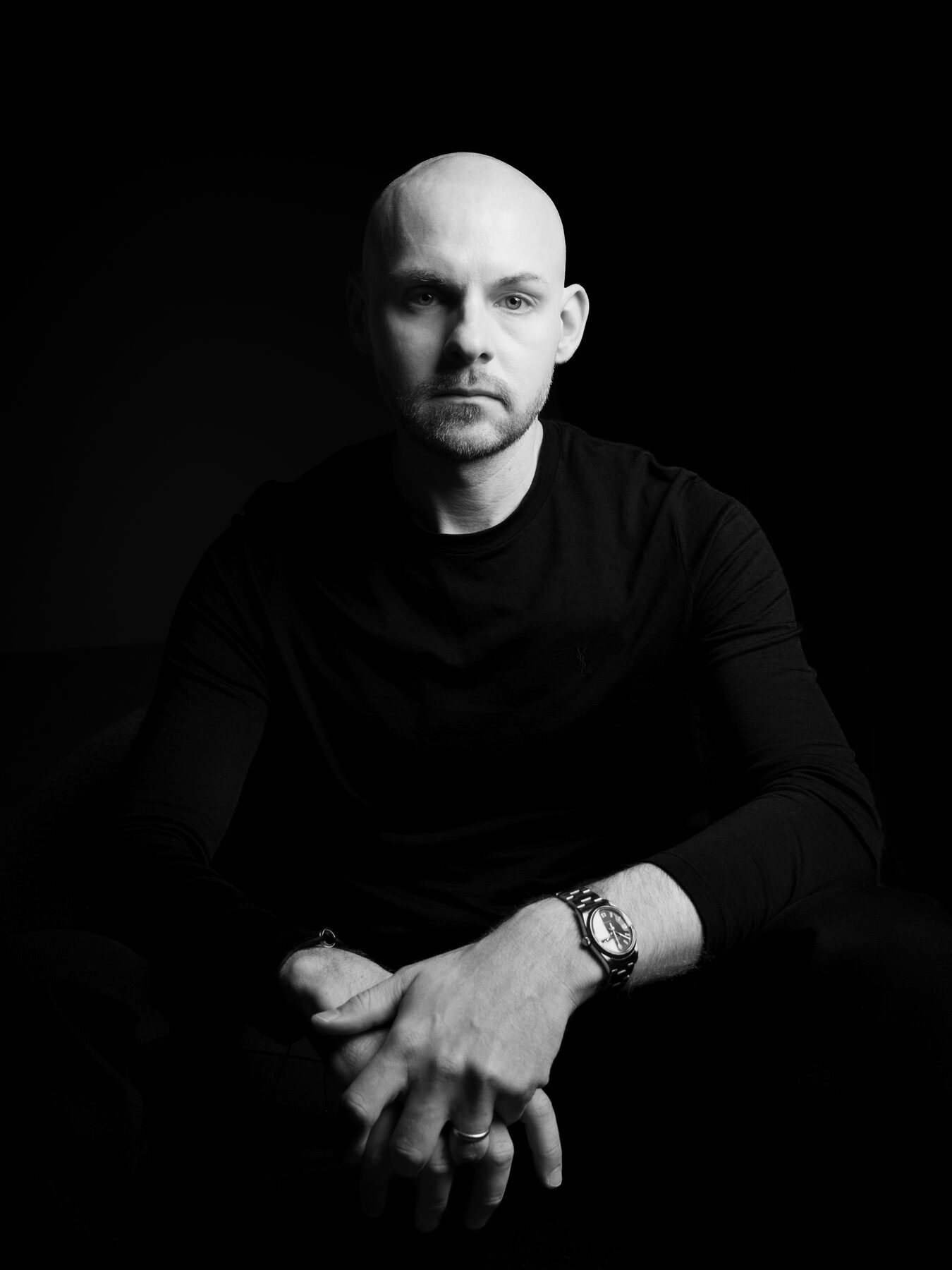
Jeremy Bradley-Silverio Donato is an American author living in Paris. Three Days Grace, his novel set over 72 hours in the city, is published by Indigo River Publishing and distributed by Simon & Schuster.
jeremycbradley.com · jeremycbradley.substack.com · @jeremycbradley